

Written by Michael Foote, Insurance Expert
Michael Foote is the founder of Quote Goat and has over 20 years experience working in finance & insurance. Since launching Quote Goat he has appeared on TV as well as many of the largest online publications including Forbes, The Telegraph and The Metro. Prior to Quote Goat, he worked in finance in the city.
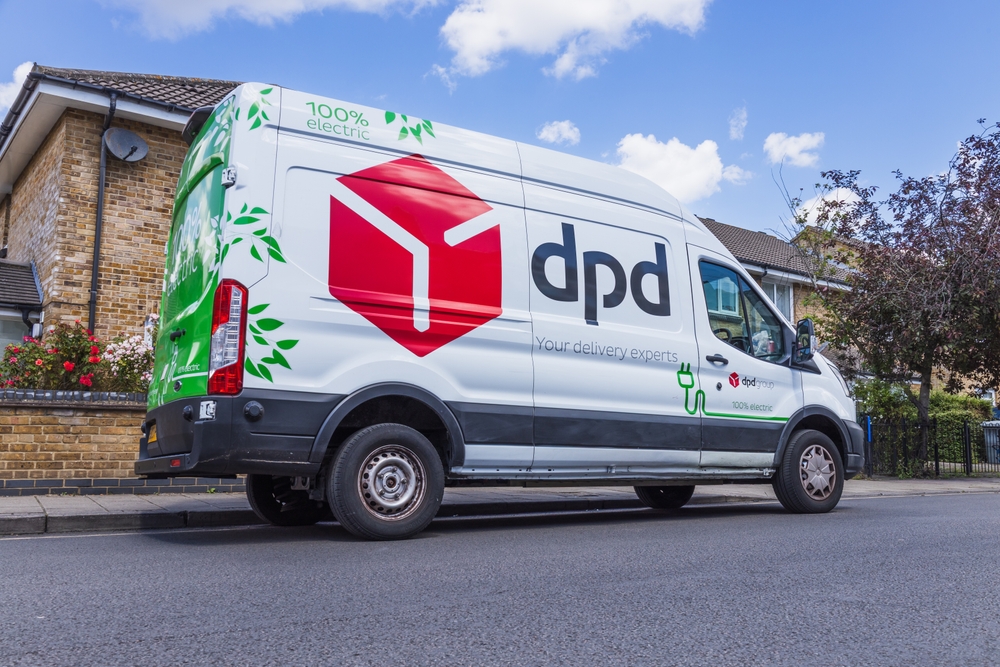
Why Courier Van Insurance Costs More
Courier van insurance is more expensive than standard van cover because insurers classify delivery work as higher risk. Couriers drive more miles than most van drivers, work to tight deadlines, make multiple stops throughout the day, and carry parcels that may be valuable or time-sensitive. All these factors increase the likelihood of accidents, theft and claims.
The average cost of courier van insurance typically ranges from £1,200 to £3,000 per year, depending on your age, experience, vehicle and location. Younger drivers and those with less experience often pay considerably more. While you cannot change the nature of courier work, there are practical steps you can take to reduce what you pay.
Choose the Right Van
The vehicle you drive has a direct impact on your premium. Smaller vans with lower engine sizes generally cost less to insure. A 1.3-litre Ford Transit Connect, for example, will be cheaper to cover than a 2.0-litre Mercedes Sprinter.
Insurers also consider:
- The van’s age and value
- Security features such as alarms, immobilisers and tracker systems
- Repair costs and parts availability
- How attractive the model is to thieves
If you are starting out as a self-employed courier, choosing a modest, well-secured van can lower your initial costs significantly.
Build and Protect Your No-Claims Bonus
A no-claims bonus is one of the most effective ways to reduce your premium over time. Each year you complete without making a claim makes you more attractive to insurers and can reduce your renewal cost by up to 60% after five years.
Protecting your bonus with an optional add-on may be worthwhile if you work in busy urban areas where minor incidents are more common. This allows you to make one or two claims without losing your accumulated discount.
Consider Telematics or Install a Dashcam
Some insurers offer telematics policies, also known as black box insurance, which monitor your driving behaviour. If you consistently demonstrate safe driving, smooth braking and responsible speed, you may be rewarded with lower premiums at renewal.
Dashcams are another useful investment. They provide evidence in the event of an accident, which can help protect your no-claims bonus and speed up claims. Some insurers offer discounts if you have one installed.
Pay Annually Instead of Monthly
Paying for your policy in full each year is almost always cheaper than paying monthly. Monthly instalments are usually treated as a credit agreement, and insurers add interest charges that can increase your total cost by 10% to 20%.
If you can afford to pay upfront, you will save money over the course of the year.
Increase Your Voluntary Excess
Your excess is the amount you pay towards a claim before your insurer covers the rest. By increasing your voluntary excess, you can lower your premium. Just make sure the total excess (compulsory plus voluntary) is an amount you could realistically afford if you needed to make a claim.
For example, increasing your voluntary excess from £100 to £250 might reduce your premium by £100 to £150 per year.
Compare Multiple Insurers
Not all insurers price courier cover the same way. Some specialise in delivery driver insurance and may offer better rates than mainstream providers. Others may penalise you for high mileage or urban postcodes.
Using a comparison tool allows you to see quotes from multiple insurers quickly. This is particularly important if you need additional cover such as goods in transit insurance or public liability, as prices for these extras vary widely.
Keep Your Driving Record Clean
Penalty points and driving convictions can significantly increase your premium. Even minor offences such as speeding or using a mobile phone while driving can add hundreds of pounds to your annual cost.
If you already have points on your licence, it is still worth comparing insurers, as some are more lenient than others. You can read more about how penalty points affect working as a van courier.
Limit Your Mileage if Possible
The more miles you drive each year, the higher your premium. If you work part-time or cover a smaller delivery area, make sure you provide an accurate mileage estimate rather than defaulting to the maximum.
For example, a courier driving 10,000 miles per year will typically pay less than one driving 30,000 miles, even if all other factors are identical.
Understand What Cover You Actually Need
Many couriers pay for cover they do not need or assume standard van insurance will protect them while working. Standard van cover will not protect you when delivering packages, so you must have a policy that includes hire and reward or courier use.
At the same time, make sure you are not doubling up on cover. If your courier company provides goods in transit insurance, you may not need to buy it separately. Check what is included before you renew.
Review Your Policy Every Year
Do not let your policy auto-renew without shopping around. Loyalty rarely pays when it comes to insurance. Even if your circumstances have not changed, prices fluctuate between insurers, and you may find a better deal elsewhere.
Set a reminder a few weeks before your renewal date and compare quotes from at least three or four providers.
Get a Quote and Start Saving
Courier van insurance will always cost more than standard cover, but by taking the right steps you can keep your premiums manageable. From choosing the right vehicle to protecting your no-claims bonus and comparing policies regularly, every decision adds up.
Ready to see how much you could save? Use the button on this page to compare courier van insurance quotes from trusted UK providers and find the right cover at the right price.