
 Save time & money
Written by Michael Foote, Insurance Expert
Michael Foote is the founder of Quote Goat and has over 20 years experience working in finance & insurance. Since launching Quote Goat he has appeared on TV as well as many of the largest online publications including Forbes, The Telegraph and The Metro. Prior to Quote Goat, he worked in finance in the city.
What is minibus fleet insurance?
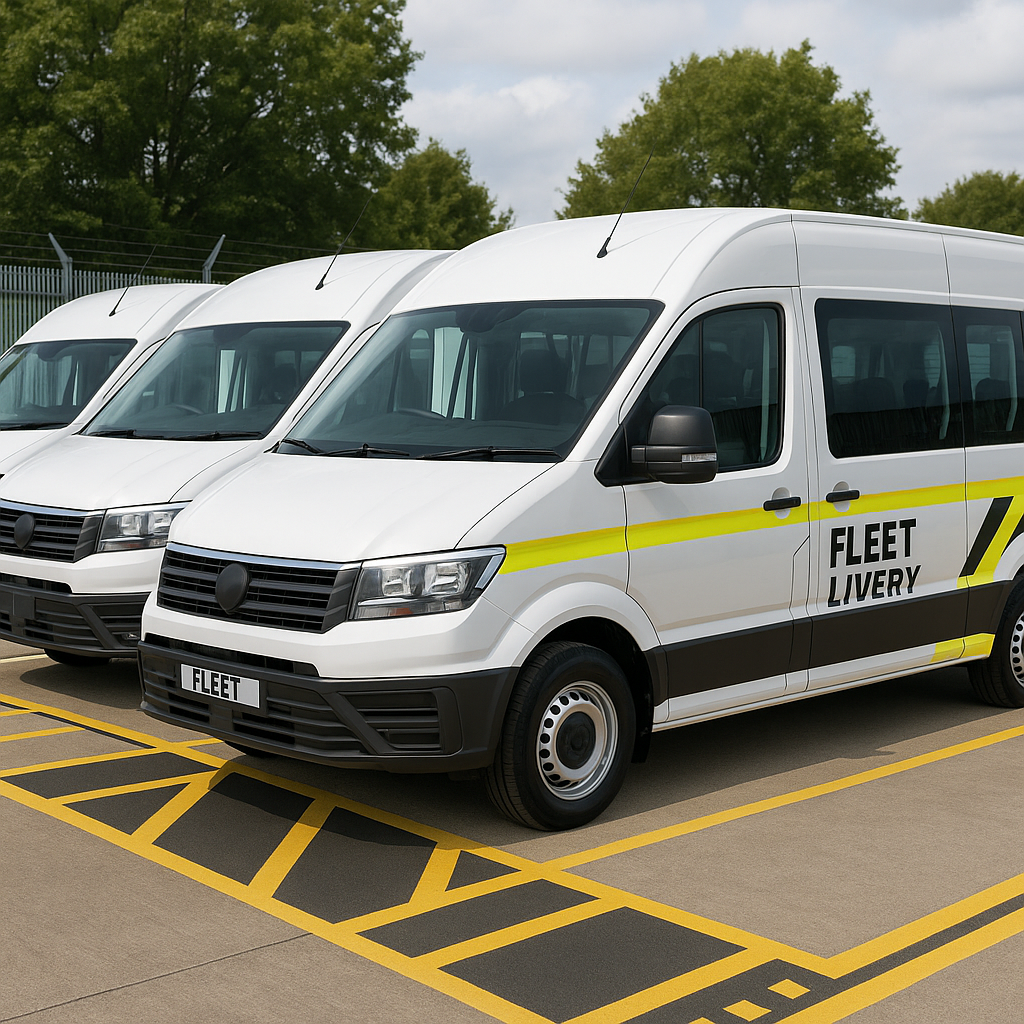
Minibus fleet insurance covers multiple passenger vehicles under a single commercial policy. Most insurers define a fleet as five or more minibuses, though some providers extend cover to as few as two vehicles. Smaller operations with three to nine vehicles should explore mini fleet insurance for businesses with 3 to 9 vehicles.
Consolidating your minibuses onto one policy typically reduces premiums compared to insuring each vehicle separately. You also simplify renewals, manage claims centrally and avoid juggling multiple renewal dates throughout the year.
Who needs minibus fleet insurance?
Organisations operating multiple passenger vehicles include:
- Schools and colleges running student transport
- Community transport groups and charities
- Care homes and healthcare providers
- Hotels offering guest shuttles
- Event companies running passenger transfers
- Private hire operators with 9-16 seat vehicles
- Airport and rail station shuttle services
If you carry passengers for hire or reward, you need public hire insurance within your fleet policy. Voluntary groups transporting only members may qualify for social and domestic use cover at lower premiums.
What does comprehensive minibus fleet cover include?
Comprehensive policies protect you against:
- Damage to your own minibuses
- Damage to third-party vehicles and property
- Injury to other road users and passengers
- Legal costs from accidents
- Fire, theft and vandalism
- Windscreen damage (typically with an excess)
- Passenger medical expenses
Third-party only or third-party fire and theft policies offer reduced premiums but leave you liable for damage to your own vehicles.
Optional extras worth considering
- Breakdown cover for all fleet vehicles
- Courtesy vehicles during repairs
- Personal accident cover for drivers
- No-claims bonus protection
- Legal expenses insurance
- Trailer cover
D1 licence requirements and volunteer driver cover
Drivers of minibuses with more than eight passenger seats typically need category D1 licence entitlement. The exception: vehicles operated under Section 19 permits for community transport, which allow standard car licence holders to drive under specific conditions.
Insurers typically require:
- Minimum driver age of 25 or 30 years
- At least two years’ driving experience
- Clean or near-clean driving record
- Enhanced DBS check for drivers carrying children or vulnerable adults
Schools often struggle to find staff with D1 entitlement, particularly among volunteer drivers. Section 19 permits solve this problem, allowing standard licence holders to drive school minibuses when specific safety criteria are met.
Section 19 and Section 22 permits explained
Community transport operators often use Section 19 or Section 22 permits, which allow charities and voluntary groups to carry passengers without a full Public Service Vehicle (PSV) operator licence.
A Section 19 permit allows you to:
- Carry members or beneficiaries of your organisation
- Charge amounts not exceeding running costs
- Use drivers with standard car licences (if the minibus meets specific criteria)
A Section 22 permit covers community bus services operating local routes with separate fares.
Your insurer must know which permit you hold, as this affects required cover level and premium. Operating outside permit terms can invalidate your insurance.
Named drivers vs any driver cover
Choose between listing specific drivers or allowing anyone with the correct licence to drive.
Named driver policies:
- Lower premiums with experienced, low-risk drivers
- Greater control over who operates vehicles
- Require advance notice when adding or removing drivers
Any driver policies:
- Higher cost but complete flexibility
- Ideal for volunteer-dependent organisations or high staff turnover
- May include age or experience restrictions (typically 25+ with two years’ experience)
Schools with regular volunteer parents often prefer any driver policies despite the premium increase, avoiding mid-term amendments when helpers change. For more on this decision, read how to choose between named driver and any driver policies.
How minibus fleet insurance differs from standard fleet cover
Passenger-carrying vehicles attract higher premiums than goods vehicles due to increased liability risk. A single accident can generate multiple passenger injury claims.
Key differences:
- Public liability limits typically £5 million or higher
- Stricter insurer scrutiny of driver vetting and safety procedures
- Evidence of regular vehicle safety inspections often required
- Specific security measures mandatory (immobilisers, tracking devices)
- Premiums reflect passenger capacity (16-seat vehicles cost more than 9-seaters)
What affects the cost of minibus fleet insurance?
Premiums depend on:
- Fleet size and vehicle capacity
- Age and condition of minibuses
- Driver ages, experience and claims history
- Vehicle usage (private hire, school runs, community transport)
- Annual mileage across the fleet
- Operating area and overnight storage location
- Security measures
- Your claims history
- Section 19/22 permits or PSV licence status
Comparing minibus fleet insurance quotes
Before committing, confirm:
- Exact cover level (third-party, third-party fire and theft, or comprehensive)
- Public hire use inclusion for fare-paying passengers
- Driver age and licence restrictions
- Section 19 or Section 22 permit holder discounts
- Excess amounts for each claim type
- Whether individual claims affect entire fleet premium
- Mid-term vehicle addition/removal terms
- Breakdown cover and legal expenses availability
- Cancellation terms and cooling-off period
Many schools overpay because insurers don’t recognise their Section 19 permit status. Always clarify your permit upfront and ensure your insurer applies the correct rating.
How to get an accurate estimate
To compare quotes effectively, insurers need:
- Number and make/model of minibuses
- Registration numbers and values
- Driver details (ages, licences, claims history)
- Annual mileage per vehicle
- Operating area
- Usage type (school runs, community transport, private hire)
- Section 19/22 permit status
- Storage location and security measures
Providing complete, accurate information upfront speeds up the quoting process and prevents surprises later.
Practical advice for schools and community transport operators
Confirm Section 19 permit status
Most school transport qualifies for Section 19, significantly reducing premiums compared to standard public hire rates. If you’re unsure whether you hold the correct permit, contact your local authority.
Document driver vetting
Maintain records of DBS checks, licence checks and driver training. Insurers often request this evidence and comprehensive documentation can reduce premiums.
Schedule regular safety inspections
Keep detailed service records and pre-journey check logs. Insurers view well-maintained fleets more favourably, which can translate to lower premiums at renewal.
Review driver lists regularly
Remove drivers who no longer require access to avoid paying for unnecessary cover. Conversely, ensure you notify your insurer promptly when adding new drivers to avoid coverage gaps.
Consider telematics
Fleet tracking devices provide evidence of safe driving, help recover stolen vehicles and may qualify you for premium discounts. Telematics also helps you identify risky driving behaviour before it leads to claims.
Getting a quote for minibus fleet insurance
Whether you operate school transport, community services or private hire, comparing quotes from specialist providers ensures you get appropriate cover at a competitive price.
Use the button on screen to compare minibus fleet insurance quotes from leading UK providers. Our panel includes insurers experienced with Section 19 permits, volunteer drivers and specialist passenger vehicle cover.
