
 Save time & money
Written by Michael Foote, Insurance Expert
Michael Foote is the founder of Quote Goat and has over 20 years experience working in finance & insurance. Since launching Quote Goat he has appeared on TV as well as many of the largest online publications including Forbes, The Telegraph and The Metro. Prior to Quote Goat, he worked in finance in the city.
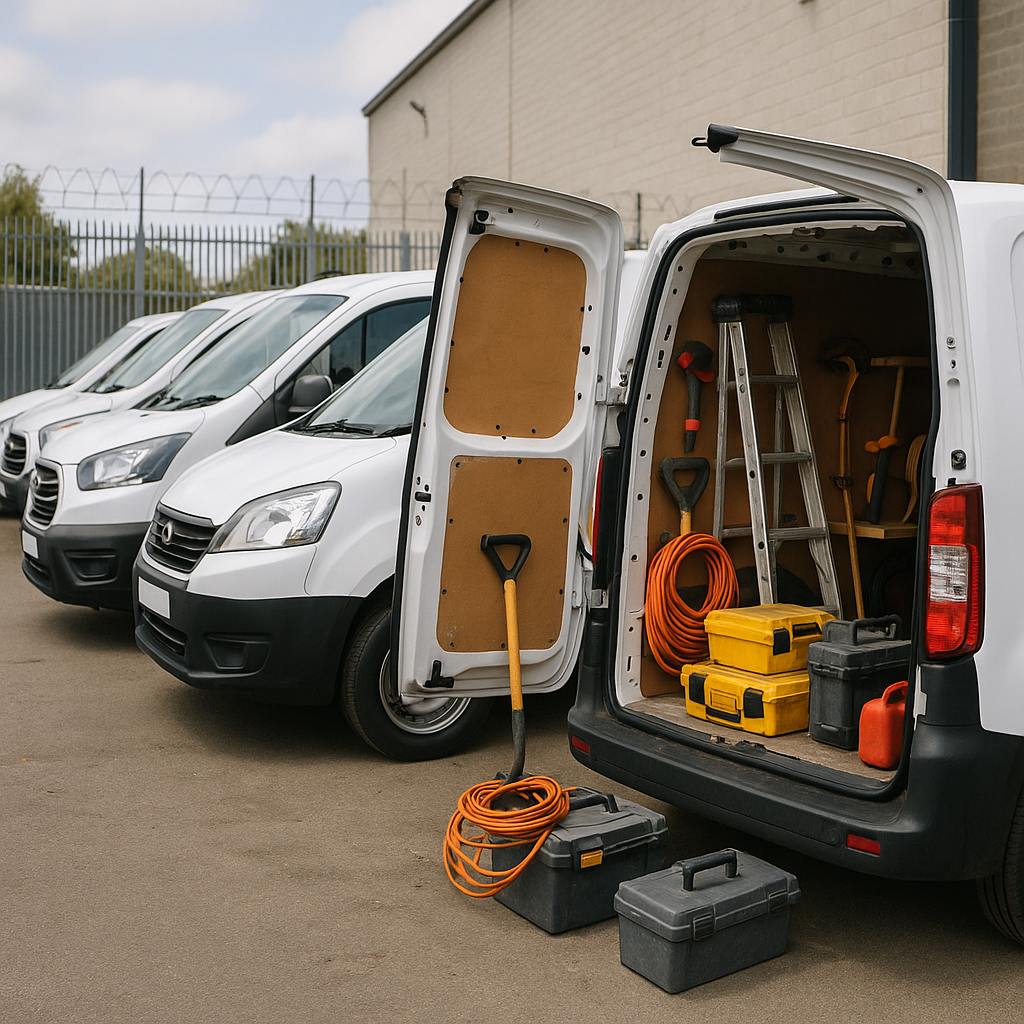
Why tradesmen need dedicated fleet insurance
Tradesmen running multiple vehicles face unique risks. A fleet policy protects your business from liability claims, vehicle damage and theft of expensive tools and equipment.
Most insurers define a fleet as two or more vehicles, though some require three minimum. The right policy covers your vehicles, tools, public liability and the specific needs of trades like plumbing, electrical work, building or groundwork.
What fleet insurance covers for tradespeople
A typical fleet policy for tradesmen includes:
- Third party liability for damage or injury caused by your vehicles
- Comprehensive cover for accident damage, fire and theft
- Cover for tools and equipment stored in vehicles (often up to a set limit)
- Business use including travel to job sites, suppliers and customer premises
- Legal expenses cover to defend claims
- Optional breakdown and recovery for all vehicles
Some policies include employers’ liability if you have staff, and public liability cover for accidents on site. Check whether these are bundled or require separate add-ons.
Types of driver cover for trade fleets
You have two main options:
Named driver policies list specific individuals who can drive your vehicles. This keeps premiums lower if you have a small, stable team with good driving records.
Any driver policies allow any employee with a valid licence to drive your vehicles. This suits businesses with fluctuating staffing, apprentices or multiple teams working across different sites.
Any driver cover typically costs more due to increased risk, especially with younger or less experienced drivers. Read more about choosing between named driver and any driver policies.
Tools and equipment cover for tradesmen
Standard fleet policies often include limited cover for contents, typically between £500 and £2,000 per vehicle. For tradesmen carrying power tools, specialist equipment or materials, this is rarely sufficient.
You can increase tools cover by adding a specific extension. Insurers will ask for:
- An itemised list of tools and equipment
- Serial numbers and receipts for high-value items
- Details of security measures like lockboxes, bulkheads or vehicle alarms
Some insurers require tools to be removed overnight or stored in locked compartments. Always check the terms, as claims are often declined when security conditions are not met.
Telematics and fleet tracking for tradesmen
Many insurers now offer or require telematics devices on fleet policies. These monitor driving behaviour, vehicle location and usage patterns.
For tradesmen, telematics can:
- Reduce premiums if your drivers maintain safe habits
- Help recover stolen vehicles and tools
- Provide evidence in disputed claims
- Improve route planning and fuel efficiency
Some policies mandate tracking devices, particularly for higher-risk trades or newer businesses. If you prefer not to be monitored, ask whether telematics is optional or compulsory. Learn more about fleet vehicle tracking and why you need it.
Our Expert, Michael Foote, Says:
“Tradesmen often underestimate how much their tools are worth until they lose them. Always declare the full replacement value of your equipment and check whether overnight storage conditions will invalidate your cover. A cheap policy that does not pay out is no saving at all.”
What to check before buying
Before committing to a fleet policy, confirm:
- The minimum and maximum number of vehicles you can insure
- Whether tools and equipment cover is included or requires an add-on
- If the policy covers hired or borrowed vehicles when your own are off the road
- Whether drivers need to meet minimum age or experience requirements
- What excess applies per vehicle and per claim
- If the policy includes legal expenses and breakdown cover
- Whether you can add or remove vehicles mid-term without penalty
How to keep your premium low
Fleet insurance for tradesmen can be expensive, but there are several ways to control costs:
- Vet drivers carefully and remove those with poor records
- Fit approved alarms, immobilisers and tracking devices
- Store vehicles securely overnight in locked yards or garages
- Increase voluntary excess if you can afford a higher upfront cost
- Pay annually rather than monthly to avoid interest charges
- Review your policy each year and shop around for better rates
Maintaining a claims-free record is one of the most effective ways to reduce premiums over time. Even minor claims can push up costs at renewal, so weigh up whether small incidents are worth claiming.
Do sole traders qualify for fleet insurance?
Yes. Sole traders with two or more vehicles can take out fleet cover. Some insurers are more flexible with sole traders than others, so compare options. Read more about self-employed fleet insurance.
What happens if a driver has an accident?
If one of your drivers has an accident, you must notify your insurer immediately, even if you do not intend to claim. Failing to report an incident can invalidate your policy.
The claims process typically involves:
- Gathering details of the incident, including photos and witness statements
- Notifying your insurer within the timeframe stated in your policy
- Submitting supporting documents such as police reports or repair estimates
- Waiting for the insurer to assess liability and arrange repairs or settlement
One claim can affect your entire fleet premium at renewal, even if only one vehicle was involved. Insurers view claims history as an indicator of overall risk.
Get a quote today
Fleet insurance for tradesmen needs to be tailored to your business, your vehicles and the tools you carry. Do not settle for a generic policy that leaves gaps in your cover.
Use the quote button below to compare policies designed for tradespeople. It takes minutes, and you can adjust cover levels to suit your budget and requirements. Protect your business, your team and your livelihood with the right fleet insurance today.
