
 Save time & money
Written by Michael Foote, Insurance Expert
Michael Foote is the founder of Quote Goat and has over 20 years experience working in finance & insurance. Since launching Quote Goat he has appeared on TV as well as many of the largest online publications including Forbes, The Telegraph and The Metro. Prior to Quote Goat, he worked in finance in the city.
How Much Does Fleet Insurance Cost in the UK?
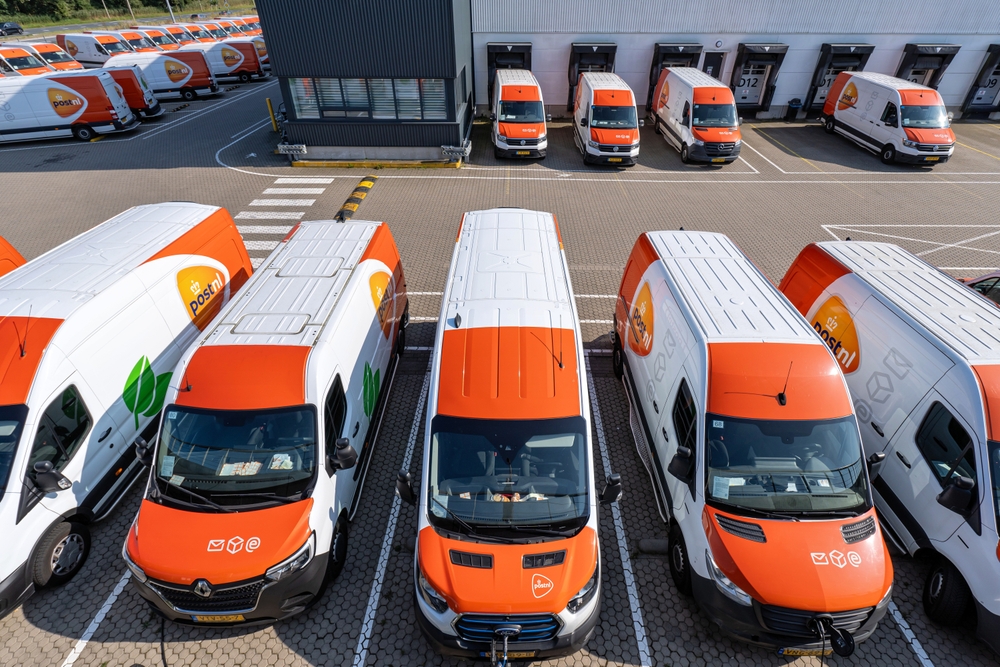
Fleet insurance in the UK typically costs between £500 and £1,400 per vehicle per year, depending on your fleet size, vehicle types, driver profiles, and claims history. Small local fleets with experienced drivers and clean records pay considerably less than national logistics operations running HGVs with mixed driver ages.
The figures throughout this article are illustrative. Your actual cost depends on your individual risk profile and underwriting assessment. For an accurate quote tailored to your business, use the button above.
What Qualifies as a Fleet?
Most UK insurers define a fleet as two or more vehicles on a single policy, though some require a minimum of three. Fleet policies can cover:
- Cars, vans, HGVs, or mixed vehicle types
- Named drivers or any-driver arrangements (usually with minimum age limits)
- Vehicles used for local service, regional delivery, or national logistics
- Specialist vehicles including taxis, courier vans, and tradesmen’s vehicles
Average Fleet Insurance Costs by Fleet Type
Here’s what businesses typically pay per vehicle annually:
| Fleet type | Annual cost per vehicle | Notes |
|---|---|---|
| Small local service (3–8 vehicles) | £500–£700 | Low mileage, local radius, experienced drivers |
| Growing mixed fleet (10–25 vehicles) | £600–£900 | Wider operating radius, mixed driver ages |
| Regional logistics (25–60 vehicles) | £700–£1,000 | National routes with documented risk controls |
| National logistics with HGVs | £900–£1,400+ | Higher vehicle values, increased exposure |
| Taxi fleet | £800–£1,200 | High mileage, urban operation, hire and reward cover |
| Courier fleet | £650–£950 | Multiple daily trips, mixed vehicle types |
Strong risk management, driver training programmes, and clean claims records push you towards the lower end. Poor driver history or frequent claims increase premiums significantly.
Real-World Fleet Insurance Examples
Example 1: Family Business (5 Cars)
- Drivers aged 35–60, all clean licences
- Local radius only, vehicles garaged overnight
- No claims in past three years
- Expected cost: £550–£650 per vehicle
- Total annual premium: £2,750–£3,250
This type of fleet often qualifies as family fleet insurance, which can offer favourable terms.
Example 2: Tradesmen’s Van Fleet (12 Vans)
- Drivers aged 25–50, one minor claim in past three years
- Mixed local and regional work
- Basic security (alarms, steering locks)
- Tools and equipment cover included
- Expected cost: £700–£900 per vehicle
- Total annual premium: £8,400–£10,800
Tradesmen operating multiple vans can explore fleet insurance for tradesmen for sector-specific cover.
Example 3: Taxi Fleet (8 Vehicles)
- Drivers aged 28–55, mixed experience levels
- Urban operation, high annual mileage (30,000+ miles)
- Hire and reward cover required
- Expected cost: £900–£1,150 per vehicle
- Total annual premium: £7,200–£9,200
Example 4: National Logistics Operation (40 Vehicles Including HGVs)
- Documented driver training and vetting programme
- Telematics fitted across entire fleet
- Secure compound with CCTV and vehicle trackers
- Expected cost: £800–£1,100 per vehicle (HGVs at upper end)
- Total annual premium: £32,000–£44,000
Larger operations with heavy goods vehicles benefit from specialist HGV fleet insurance policies.
How Insurers Calculate Fleet Insurance Premiums
Underwriters assess several key risk factors:
Vehicle-related factors:
- Types and values (HGVs cost more than small vans)
- Insurance groups and safety ratings
- Modifications or specialist equipment
Usage factors:
- Annual mileage per vehicle
- Operating radius (local, regional, national)
- Type of work (deliveries, passenger transport, construction)
Driver factors:
- Ages and experience levels
- Licence endorsements and convictions
- Claims history (typically 3–5 years)
Risk management:
- Telematics and dashcam installation
- Driver training programmes and vetting procedures
- Security measures (trackers, CCTV, secure parking)
Claims experience:
- Frequency and severity of past claims
- Outstanding claims and reserves
- Evidence of robust incident management
Location:
- Operating postcodes and claim frequencies
- Overnight parking arrangements
- Regional risk variations
What You Need for an Accurate Fleet Insurance Quote
Prepare the following information before requesting quotes:
- Complete claims history (3–5 years, including paid and outstanding)
- Vehicle schedule with registrations, values, and annual mileage
- Driver details: dates of birth, licence types, endorsements, claims
- For any-driver policies: age limits and eligibility criteria
- Security arrangements: parking locations, trackers, immobilisers, CCTV
- Risk management documentation: telematics data, training records, driver policies
- Required cover level and voluntary excess preference
How to Reduce Your Fleet Insurance Costs
Install telematics and dashcams
Evidence of safe driving helps defend claims and demonstrates lower risk. Telematics data can reduce premiums by 10–20% for well-managed fleets.
Improve driver selection and training
Set minimum age limits, run thorough vetting checks, and provide regular training. Proper driver vetting reduces incidents and demonstrates professionalism to insurers.
Upgrade security measures
Use secure compounds, fit trackers and immobilisers, implement geofencing, and install CCTV at parking locations.
Increase voluntary excess
Higher excess reduces premium but ensure you have sufficient cashflow to cover potential claims.
Manage claims proactively
Report incidents promptly, provide camera evidence, and manage repairs efficiently. Understanding how to report an incident without making a claim helps protect your no-claims record.
Choose vehicles carefully
Select models in lower insurance groups where practical. Modern safety features and anti-theft systems reduce premiums.
Shop early
Approach insurers 3–4 weeks before renewal with complete, accurate information. Last-minute quotes typically cost more.
Fleet Insurance Cover Options and Costs
Comprehensive vs third party only
Comprehensive cover costs more but reduces downtime and out-of-pocket repair costs. Most commercial fleets choose comprehensive.
Any driver vs named drivers
Any-driver policies offer flexibility for businesses with changing personnel but cost 15–30% more. Named-driver policies save money if your operations allow. Consider whether temporary staff or agency drivers need coverage.
Optional extras
- Legal expenses cover: £30–£60 per vehicle
- Breakdown cover: £40–£80 per vehicle
- Courtesy vehicles: £50–£100 per vehicle
- Uninsured loss recovery: £20–£40 per vehicle
Territorial limits
EU cover typically adds 5–10% to your premium. Extended territories beyond Europe cost more.
Frequently Asked Questions
What’s the minimum fleet size for fleet insurance?
Most insurers start at two vehicles, though some require three. The best pricing typically appears once you reach five or more vehicles.
Can I mix different vehicle types on one policy?
Yes. You can insure cars, vans, and HGVs together. Mixed fleets simplify administration and often achieve better pricing than separate policies.
Is any-driver cover worth the extra cost?
It depends on your business. Any-driver cover suits operations with frequent driver changes or unpredictable staffing. If you know who drives each vehicle, named-driver policies usually save money.
Will one claim significantly increase my premium?
A single minor claim typically won’t spike your rates dramatically, but multiple or high-cost claims will. Dashcam evidence and strong incident management help protect your record.
How much is commercial fleet insurance for small businesses?
A small fleet of 3–8 vehicles typically costs £500–£700 per vehicle annually, totalling £1,500–£5,600 depending on driver experience, vehicle types, and claims history.
Do I need fleet insurance for just two vans?
Yes, if both vans are used for business. Multi van insurance covers two or more commercial vehicles on a single policy, often at better rates than individual policies.
Get Your Fleet Insurance Quote Today
Fleet insurance costs vary significantly based on your specific circumstances. The quickest way to discover what you’ll actually pay is to request personalised quotes.
Click the button above to compare fleet insurance quotes tailored to your business, vehicles, and drivers.
