
 Save time & money
Written by Michael Foote, Insurance Expert
Michael Foote is the founder of Quote Goat and has over 20 years experience working in finance & insurance. Since launching Quote Goat he has appeared on TV as well as many of the largest online publications including Forbes, The Telegraph and The Metro. Prior to Quote Goat, he worked in finance in the city.
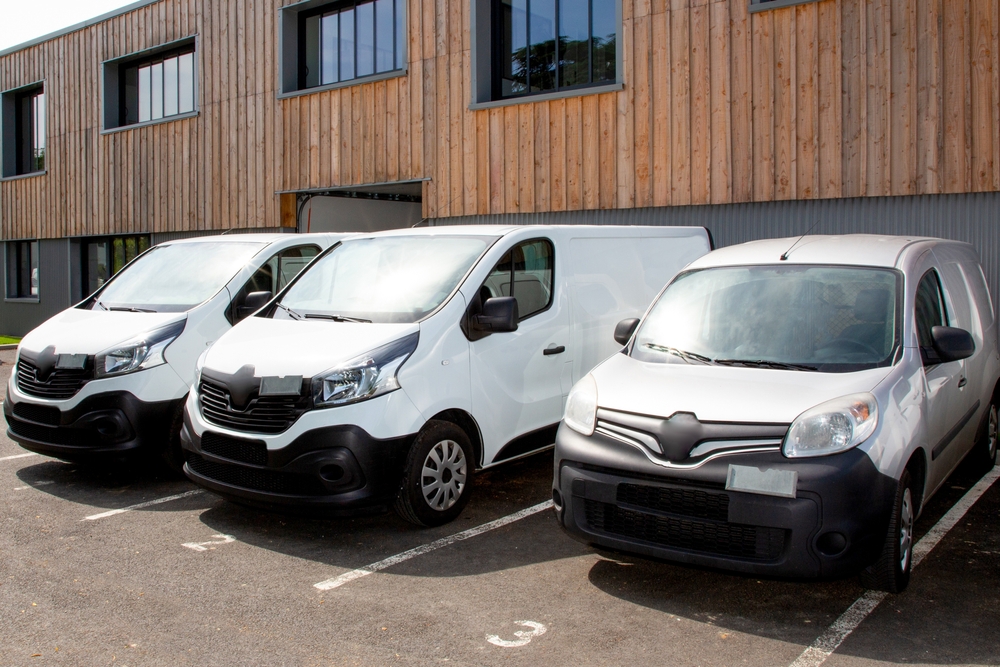
Can Sole Traders Get Fleet Insurance?
Yes. You don’t need a limited company to insure multiple business vehicles. As a sole trader, you can apply for fleet insurance if you operate at least two vehicles for business purposes, whether you own them outright, lease them, or use hire purchase.
Most insurers treat sole traders the same as small limited companies when it comes to multi-vehicle cover. The vehicles must be registered in your name or trading name and used for your work.
How Many Vehicles Qualify as a Fleet?
Most insurers define a fleet as two or more vehicles. Once you have at least two vehicles used for business, you can combine them under one policy with a single renewal date.
If you operate just one vehicle, you’ll need standard van insurance or business car insurance. As soon as you add a second vehicle, mini fleet insurance becomes an option.
Sole Trader Car Insurance: What You Need to Know
As a sole trader, you can insure a car under your business name for commercial use. This is often called business car insurance rather than a company car policy, but the principle is the same.
You’ll need to specify the business use on your policy. This might include:
- Class 1: Social, domestic, and commuting
- Class 2: As Class 1, plus business use (excluding commercial travelling)
- Class 3: As Class 2, plus commercial travelling (driving to multiple business appointments)
For most sole traders, Class 2 or Class 3 cover is appropriate. Standard personal car insurance won’t cover you for business journeys.
Can a Sole Trader Have Multiple Vehicles Registered to Their Business?
Yes. You can register and insure multiple vehicles under your trading name or personal name as a sole trader. The vehicles don’t need to be owned by a limited company.
When you register vehicles for business use, keep all documentation including:
- V5C registration certificates
- Purchase or lease agreements
- Insurance certificates
- Service and MOT records
This documentation proves ownership and helps with tax relief claims.
What Types of Vehicles Can Be Covered?
Sole traders can insure a mix of vehicle types under one policy:
- Cars
- Vans
- Pick-up trucks
- Minibuses
- Specialist vehicles (refrigerated vans, tippers, flatbeds)
For example, you might run one van for tools and equipment, plus a car for client visits. Or you might operate multiple vans for different crew members or routes. Fleet van insurance covers multiple commercial vans on a single policy.
How to Classify Your Vehicle Use
If you’re a plumber using a van for business and also at weekends for personal use, you must declare both uses to your insurer. This is typically classified as:
- Business use: For carrying tools, equipment, and materials to job sites
- Social, domestic, and pleasure use: For personal journeys at weekends
Failing to declare personal use could invalidate your policy if you have an accident outside business hours. Always be honest about how you use each vehicle.
Which Trades Commonly Use Multi-Vehicle Cover?
Many sole traders in these sectors operate more than one vehicle:
- Construction and building trades
- Plumbing and heating engineers
- Electricians
- Delivery and courier services
- Landscaping and gardening
- Property maintenance
- Mobile catering or retail
- Cleaning services
A self-employed electrician might use a van for tools and a car for estimates. A courier might operate two vans to cover different routes or peak demand periods.
Tax Relief and Mileage Claims for Sole Traders
As a sole trader, you can claim business mileage through HMRC using approved mileage allowance rates.
For 2024/25, the self-employed mileage rate is:
- 45p per mile for the first 10,000 business miles
- 25p per mile thereafter
Alternatively, you can claim actual vehicle costs including insurance, fuel, repairs, and depreciation. Keep detailed records for your Self Assessment return.
If you purchase a van outright, you can claim capital allowances to reduce your tax bill. Most commercial vehicles qualify for 100% first-year allowances under the Annual Investment Allowance, meaning you can deduct the full cost from your taxable profits in the year of purchase.
What Documents Will Insurers Ask For?
To prove you’re a legitimate sole trader using vehicles for business, insurers typically request:
- Proof of vehicle ownership or lease agreements
- Driving licence copies for all named drivers
- Description of business activities
- UTR (Unique Taxpayer Reference) number
- Recent invoices or bank statements showing your trading name
- Vehicle registration documents (V5C)
Having these ready speeds up the application process and helps you get accurate quotes.
Can You Add Other Drivers to Your Policy?
Yes. Even as a sole trader, you can add named drivers to your fleet policy. This is useful if you:
- Employ part-time or casual workers
- Use subcontractors who drive your vehicles
- Share driving duties with a business partner or family member
You can either list specific named drivers or choose an “any driver” option, which allows multiple people to drive your vehicles within set age and licence criteria. Learn more about how to choose between named driver and any driver policies.
Benefits of a Multi-Vehicle Policy for Sole Traders
Single Renewal Date
All your vehicles renew at once, so you only manage one policy and one set of paperwork each year.
Potential Cost Savings
Insuring multiple vehicles on one policy often works out cheaper than separate policies, especially with a good claims history. Find out more in our guide on whether it’s cheaper to cover business vehicles on one policy.
Easier to Scale
If you add more vehicles or hire staff, you can simply add them to your existing policy rather than arranging new cover from scratch.
Simplified Administration
One policy means one set of documents, one renewal, and one insurer to deal with. This reduces admin burden and the risk of missing a renewal.
Can You Lease Multiple Vehicles as a Sole Trader?
Yes. Sole traders can lease multiple vehicles and insure them under a fleet policy. Leasing offers:
- Fixed monthly costs
- Newer, more reliable vehicles
- Reduced capital outlay
- Often includes maintenance packages
When you lease, you’re not the owner but you are the registered keeper. You can still insure the vehicles in your business name. Provide the lease agreement when applying for insurance.
Do You Need Motor Trade Insurance?
No, not unless you buy, sell, repair, or transport vehicles as your main business activity.
Motor trade insurance is designed for mechanics, dealers, and vehicle recovery services. If you’re a sole trader using vehicles to deliver your trade (courier, builder, electrician, plumber), you need business vehicle insurance or fleet cover, not motor trade insurance.
What About Fuel Cards for Sole Traders?
If you’re running multiple vehicles, fuel cards help you:
- Track fuel spend across all vehicles
- Simplify expense claims and mileage records
- Access discounts at major fuel networks
- Reclaim VAT on fuel (if VAT-registered)
Many fuel card providers offer accounts to sole traders without requiring a limited company structure. This is particularly useful for accurate record-keeping and tax returns.
Get a Quote for Your Business Vehicles
Whether you’re running two vans, a car and a van, or a growing fleet, combining your vehicles under one policy can save time and reduce costs. Use the button on screen to compare quotes tailored to sole traders with multiple business vehicles.
