

Written by Michael Foote, Insurance Expert
Michael Foote is the founder of Quote Goat and has over 20 years experience working in finance & insurance. Since launching Quote Goat he has appeared on TV as well as many of the largest online publications including Forbes, The Telegraph and The Metro. Prior to Quote Goat, he worked in finance in the city.
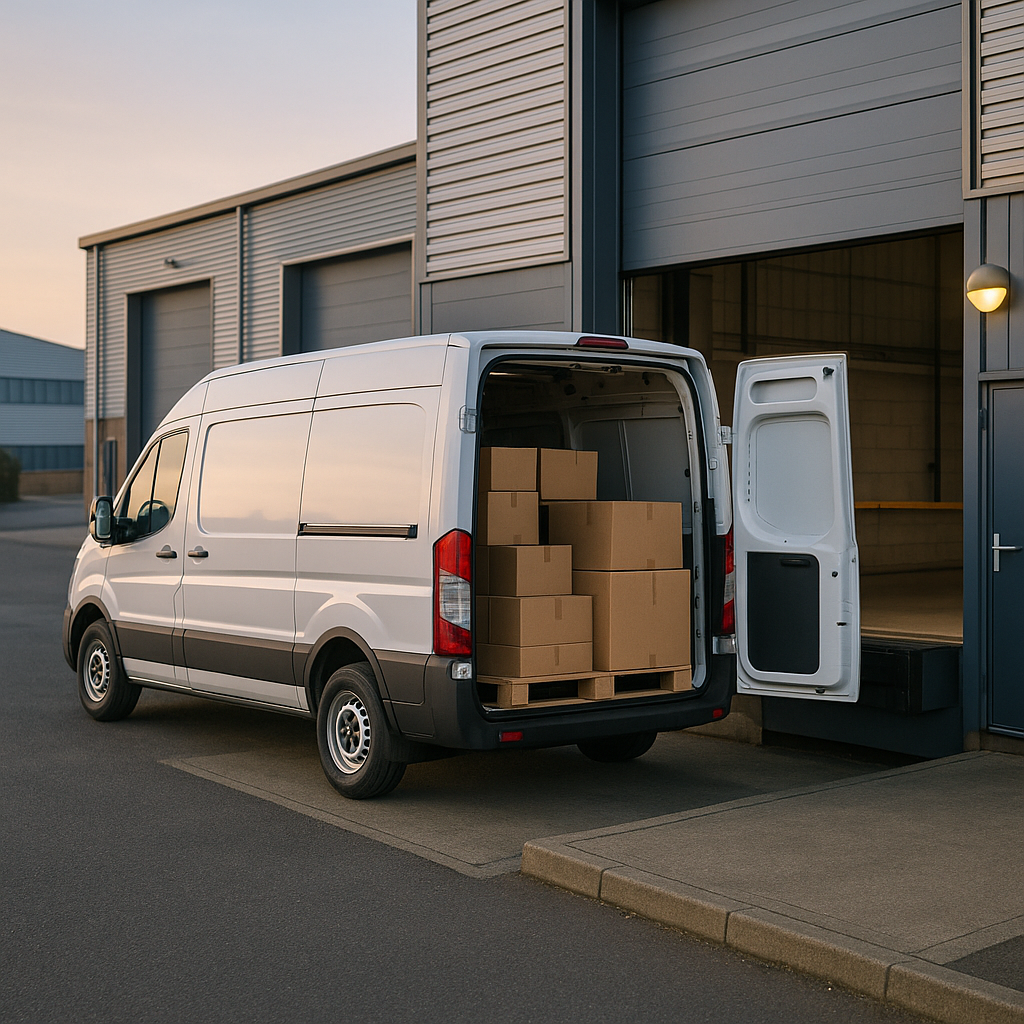
What is light haulage insurance?
Light haulage insurance is a commercial vehicle policy for drivers who transport goods for third parties, typically in vans up to 3.5 tonnes. It covers you when moving materials, products or parcels, whether you work for a logistics firm, run your own haulage business or operate as a subcontractor.
This policy goes beyond standard commercial van insurance by recognising that you carry other people’s goods and may be held liable if something goes wrong during transit. Standard van cover won’t protect you when delivering packages because it excludes commercial haulage activity.
Without the right cover, you risk legal action, uninsured losses and potential business closure.
Who needs light haulage insurance?
You need light haulage insurance if you:
- Transport goods for paying customers or clients
- Move materials between warehouses, depots or building sites
- Deliver stock for retailers or wholesalers
- Operate as a subcontractor for larger haulage or logistics companies
- Carry goods that do not belong to your own business
Even part-time or occasional light haulage requires correct cover. Using a standard van policy while transporting goods commercially invalidates your insurance entirely.
What light haulage insurance covers
A typical light haulage policy includes:
- Cover for your van against accidental damage, theft and fire
- Third party liability if you cause injury or damage to someone else
- Legal expenses in the event of a claim or dispute
- Employer’s liability if you employ drivers or helpers
What it does not usually include
- The goods you are carrying (requires separate goods in transit cover)
- Business equipment or tools left in the van overnight
- Personal use of the vehicle unless specified
Some insurers restrict cover based on the type of goods you carry, the routes you use or your operating hours.
How light haulage insurance differs from courier insurance
Light haulage and courier insurance serve different working patterns.
Courier insurance suits multi-drop delivery drivers who collect and deliver parcels with time-sensitive shipments and dozens of daily stops. Light haulage insurance covers those moving larger loads with fewer drops, typically heavier or bulkier goods such as building materials, machinery or wholesale stock.
Some insurers offer combined policies covering both activities. If your work involves a mix of parcel delivery and general haulage, ensure your insurer understands the full scope.
Do you need goods in transit cover?
Light haulage insurance protects your vehicle and legal liability. It does not protect the goods you carry.
For that, you need goods in transit insurance. This cover is essential when transporting goods belonging to someone else. Without it, you could be personally liable for the full replacement value of lost, stolen or damaged items, potentially thousands of pounds.
Some haulage contracts require goods in transit cover before you can start work. Check contract terms carefully and ensure your insurance meets the minimum level required.
Do delivery drivers need extra cover for the goods they carry? explains this requirement in more detail.
How much does light haulage insurance cost?
Premiums vary based on:
- The type of goods you carry (high-value or fragile items increase risk)
- Your vehicle’s age, make and security features
- Your driving history, including any claims, convictions or penalty points
- Where you store the van overnight (off-road parking and alarms reduce premiums)
- Your annual mileage and operating area
- Whether you employ other drivers
- Your level of no-claims discount
Younger or newly qualified drivers typically pay more. If you are new to light haulage, expect higher first-year premiums that reduce as you build a claims-free record.
Typical cost ranges
While every quote is individual, expect to pay:
- £800 to £1,500 per year for experienced drivers with clean records
- £1,500 to £2,500 for drivers with limited experience or some penalty points
- £2,500+ for young drivers, new businesses or those carrying high-value goods
These figures are approximate. The only way to get an accurate price is to compare quotes based on your specific circumstances.
How to reduce your light haulage insurance premium
You can lower the cost of light haulage insurance by:
- Fitting a tracker or immobiliser to your van
- Parking in a locked garage or secure compound
- Increasing your voluntary excess (ensure you can afford to pay it)
- Limiting your mileage where possible
- Taking an advanced driving course
- Paying annually rather than monthly to avoid interest charges
- Comparing quotes from multiple insurers who specialise in commercial vehicle cover
Avoid underestimating your mileage or misrepresenting the work you do. This voids your policy and leaves you uninsured.
What to check before buying
Before committing to a policy, confirm:
- Whether the policy covers the specific goods you carry (some insurers exclude high-value items, hazardous materials or refrigerated goods)
- If you need goods in transit cover as a separate add-on
- Whether your policy covers hiring additional drivers or using borrowed vehicles
- Any restrictions on mileage, operating hours or geographic limits
- What excess you will pay in the event of a claim
- Whether you are covered for loading and unloading (some policies exclude incidents outside the vehicle)
Ask the insurer to confirm in writing what is and is not covered.
Common exclusions in light haulage policies
Most policies will not cover:
- Damage to goods caused by poor packing or loading
- Theft from an unattended, unlocked vehicle
- Wear and tear or mechanical breakdown
- Using the vehicle for purposes not declared on the policy
- Driving under the influence of alcohol or drugs
- Carrying illegal goods or exceeding weight limits
Some insurers exclude specific goods such as cash, jewellery, antiques, livestock or hazardous chemicals. If you carry any of these, you must declare them and arrange specialist cover.
What happens if you are caught without the right cover?
Driving without valid insurance is a criminal offence. If stopped by police while using a standard van policy for light haulage work, you could face:
- Six to eight penalty points on your licence
- An unlimited fine
- Your vehicle being seized and impounded
- A driving ban if you already have points
You will also have no cover if involved in an accident, meaning you pay for all damage, injuries and legal costs yourself. Even a minor incident could cost tens of thousands of pounds.
What happens if you deliver parcels without the right insurance? covers the legal and financial consequences in detail.
How to get a quote for light haulage insurance
To get an accurate quote, you will need:
- Your driving licence details and history
- Information about your vehicle (registration, make, model and security features)
- A description of the goods you will carry
- Your expected annual mileage
- Details of any other drivers who will use the van
- Your business structure (sole trader, limited company or partnership)
- Your claims history for the last five years
Compare quotes from multiple insurers to find the best combination of cover and price. Do not assume the cheapest policy is best. Check what is included and ensure the cover suits the work you do.
Ready to get covered? Use the button on this page to compare light haulage insurance quotes and get the protection your business needs.