

Written by Michael Foote, Insurance Expert
Michael Foote is the founder of Quote Goat and has over 20 years experience working in finance & insurance. Since launching Quote Goat he has appeared on TV as well as many of the largest online publications including Forbes, The Telegraph and The Metro. Prior to Quote Goat, he worked in finance in the city.
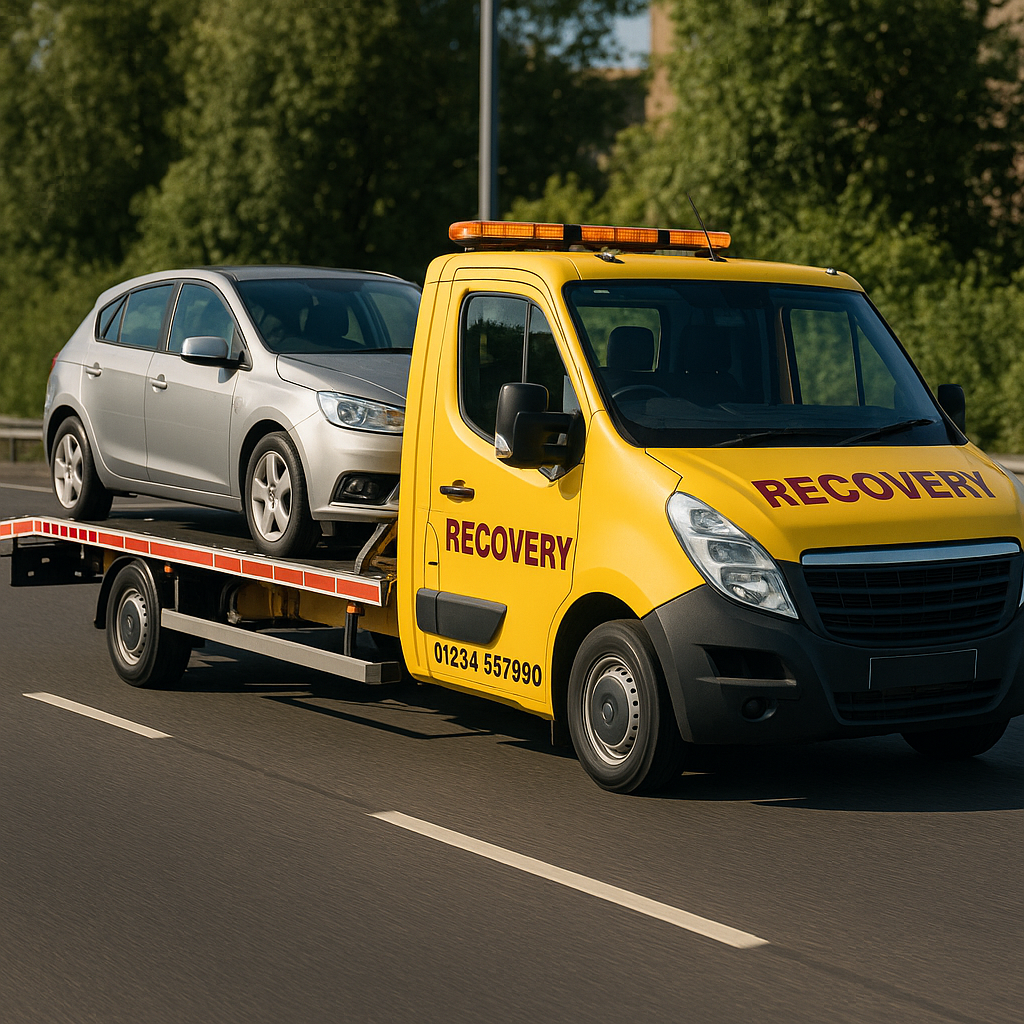
What is recovery vehicle insurance?
Recovery vehicle insurance is specialist cover for businesses that transport broken-down, damaged or salvaged vehicles. Whether you operate a recovery truck, flatbed or towing van, this policy protects you when collecting, loading and transporting vehicles on behalf of customers, breakdown services or insurance companies.
Standard commercial vehicle policies exclude recovery work. If you’re operating a recovery business without the correct insurance, your insurer can refuse to pay out following an accident, leaving you personally liable for repair costs, third-party damage and compensation claims.
Recovery insurance covers the unique risks of the trade: handling unstable vehicles, loading and unloading on public roads, operating lifting equipment, and transporting vehicles that may not be roadworthy.
Why recovery operators need specialist insurance
Recovery work involves higher risks than standard haulage or delivery services. You’re dealing with vehicles that may be damaged, have mechanical failures or require careful handling to avoid further harm.
A conventional goods-in-transit policy will not cover you for:
- Damage to vehicles you are recovering or transporting
- Third-party claims arising from loading or unloading operations
- Injuries to customers or members of the public at the roadside
- Specialist recovery equipment such as winches, dollies and ramps
Without the right cover, a single incident could result in claims worth tens of thousands of pounds. If a customer’s vehicle is damaged while on your truck or a pedestrian is injured during a recovery, you could face legal action that standard policies will not cover.
What recovery vehicle insurance covers
Road risk cover
This allows you and named drivers to operate your recovery vehicle on public roads. It covers the vehicle itself, plus third-party damage and injuries caused during operation. This is the legal minimum, but rarely sufficient on its own.
Vehicles in custody
This covers damage to vehicles you are recovering or transporting. Whether towing a car from a breakdown or moving a salvage vehicle to a scrapyard, this protects you if the vehicle is damaged during transit, loading or unloading.
Public liability insurance
Public liability protects you if a member of the public is injured or their property is damaged during your recovery operations. This could include a pedestrian tripping over towing equipment or damage to a parked car while you’re loading a vehicle.
Employers’ liability
If you employ drivers or assistants, employers’ liability is a legal requirement. It covers claims made by employees who are injured or become ill as a result of their work. Given the physical and roadside nature of recovery operations, this is essential.
Tools and equipment
Recovery operators rely on specialist equipment. A comprehensive policy should cover theft or damage to winches, tow bars, dollies, lifting gear and ramps, whether stored in the vehicle, at your premises or in use at the roadside.
Recovery van insurance vs recovery truck insurance
The type of vehicle you operate affects both the cover you need and the price you pay.
Recovery van insurance is typically suited to operators using smaller vehicles for light recoveries, such as cars and motorcycles. These policies may have lower premiums but often come with restrictions on vehicle weight and size.
Recovery truck insurance covers larger flatbed or towing trucks capable of transporting vans, 4x4s and light commercial vehicles. These policies cost more due to the higher value of the truck and the increased risk associated with heavier recoveries.
If your business operates both types of vehicle, check that your policy covers the full range of vehicles you recover and the equipment you use.
Common exclusions and limitations
Recovery insurance policies often include exclusions that can leave you exposed if not properly understood.
Vehicle type and weight limits: Many insurers cap the size, weight or value of vehicles you can recover. If you occasionally handle vans, motorhomes or light commercial vehicles, check these are included.
Commercial sale or trade: Policies often exclude cover for vehicles being transported for commercial sale, such as dealer stock. If your business includes vehicle trading or delivery, you may need additional motor trade cover.
Geographical limits: Some policies only cover the UK mainland. If you’re called to recover a vehicle in Northern Ireland or Europe, you may not be insured. Always clarify territorial limits before accepting work outside your usual area.
Private use of recovery trucks: If you use your recovery vehicle for personal errands or non-recovery purposes, check whether this is covered. Some policies restrict use to business activities only.
How much does recovery vehicle insurance cost?
Premiums vary significantly depending on several factors.
Type of vehicle: A flatbed truck generally costs more to insure than a tow truck or van due to the higher vehicle value and increased risk of damage to transported vehicles.
Claims history: Multiple claims or at-fault accidents in recent years increase premiums. A clean record can significantly reduce costs.
Drivers: Adding younger or less experienced drivers increases premiums. Some insurers offer better rates if all drivers are over 25 with clean licences.
Operating area: Urban areas with higher traffic volumes and theft rates result in higher premiums. Secure overnight storage, such as a locked yard or garage, can help reduce costs.
Level of cover: Third-party only is the cheapest option but leaves you exposed. Comprehensive cover costs more but provides better protection for your business.
For a clearer picture of typical premiums across different motor trades, see how much motor trade insurance costs in the UK.
What to check before buying recovery insurance
Before committing to a policy, verify the following:
- Vehicles in your care, custody or control are fully covered during loading, transit and unloading
- Specialist equipment such as winches, dollies and ramps are included
- The policy covers all types of vehicles you intend to recover, including weight and value limits
- Geographical limits are suitable for your operating area
- Excess amounts for different types of claims are affordable
- The policy includes legal expenses cover for disputes or claims
- Any sub-contracted or occasional drivers are covered
If your recovery business involves transporting vehicles for dealers or auctions, check whether you need additional cover or trade plate insurance.
Getting a quote for recovery vehicle insurance
Recovery vehicle insurance is not one-size-fits-all. The right policy depends on your vehicle, the types of recoveries you handle, your operating area and your claims history.
Shop around and compare quotes from insurers who understand the recovery trade. Be clear about the nature of your work, the vehicles you recover and any specialist equipment you use. This ensures you get accurate quotes and avoid nasty surprises if you need to claim.
Ready to compare recovery vehicle insurance quotes? Use the button on screen to get a tailored quote for your recovery business in minutes.
