

Written by Michael Foote, Insurance Expert
Michael Foote is the founder of Quote Goat and has over 20 years experience working in finance & insurance. Since launching Quote Goat he has appeared on TV as well as many of the largest online publications including Forbes, The Telegraph and The Metro. Prior to Quote Goat, he worked in finance in the city.
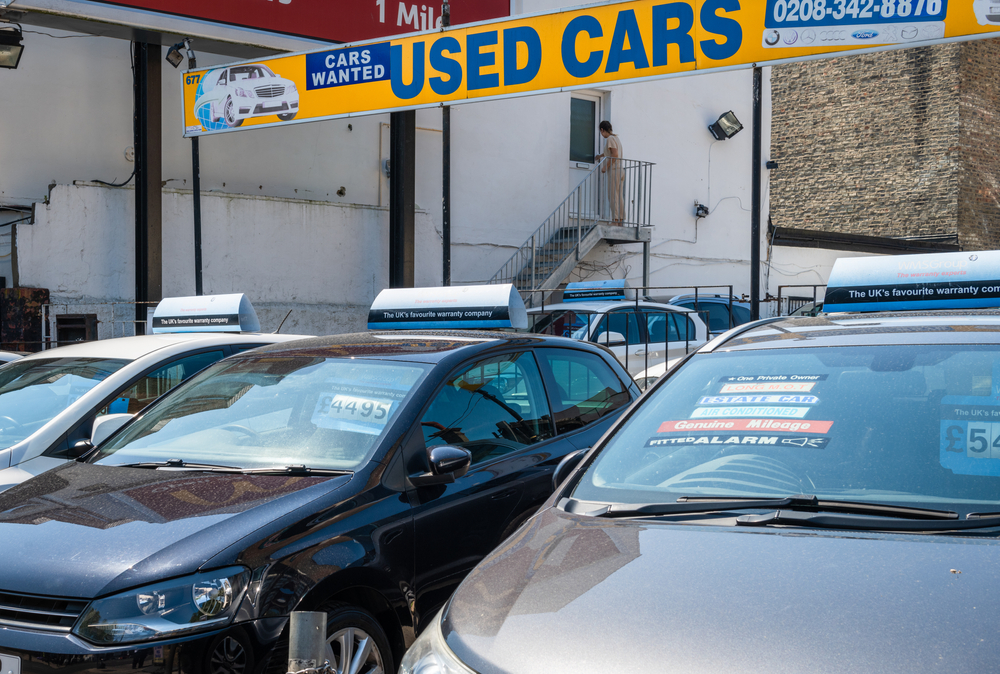
Do You Need Trade Insurance to Buy and Sell Cars?
If you’re buying and selling vehicles as a business activity, standard car insurance won’t cover you. You’ll need motor trade insurance to operate legally on public roads.
The key question is whether your activity counts as trading. That depends on how often you buy and sell, your intent, and how you move vehicles.
Is Motor Trade Insurance Legally Required?
No law specifically names motor trade insurance as mandatory. However, you must have valid insurance to drive any vehicle on a public road. Standard private policies exclude:
- Vehicles you’re buying or selling as stock
- Cars registered to you temporarily for resale
- Driving on trade plates
- Test drives with potential buyers
If you’re operating as a motor trader, you need a motor trade policy. Standard car insurance won’t respond to claims, and using it for trade purposes is treated as fraud by most insurers.
Do Trade Plates Cover Insurance?
No. Trade plates let you legally drive unlicensed or unregistered vehicles on public roads, but they provide zero insurance.
You must arrange separate motor trade insurance that specifically covers your use of trade plates. Driving on trade plates without valid trade cover is illegal and can result in:
- Vehicle seizure
- Prosecution and fines
- Points on your licence
- A potential driving ban
Trade plates and trade insurance work together but are completely separate legal requirements.
Does Trade Insurance Cover Uninsured Cars?
Yes, if you have the correct type of motor trade policy. Road risk insurance is designed to cover vehicles that aren’t individually insured, including:
- Stock vehicles awaiting sale
- Cars collected from auctions or private sellers
- Unregistered vehicles being moved on trade plates
- Vehicles you’re taking for test drives or valuations
This is essential for motor traders because you’ll regularly handle cars that have no active insurance policy of their own.
When Do You Become a Motor Trader?
There’s no magic number of sales that turns you into a trader overnight, but HMRC, the DVLA, and insurers all consider:
- Frequency: Selling multiple cars within a short period
- Intent: Buying vehicles specifically to resell them for profit
- Business behaviour: Advertising regularly, using trade accounts, operating from business premises
If your activity looks like a business, you’ll be treated as one. For more guidance, read how many cars you can sell before being classed as a trader.
What Happens If You Don’t Have Trade Insurance?
Operating without the correct insurance creates serious legal and financial risks:
- Vehicle seizure: Police can impound any vehicle you’re driving without valid cover
- Prosecution: You could face fines, penalty points, or a driving ban
- Voided claims: Any claim made on a private policy for trade use will likely be refused and your policy cancelled
- Personal liability: If you cause damage or injury while uninsured, you’re personally liable for all costs
Using a personal car policy to drive vehicles you’re buying or selling is misuse. Insurers will void the policy entirely if they discover it.
What Does Trade Plate Insurance Cover?
Trade plate insurance is a type of motor trade policy that specifically covers you when driving on trade plates. It includes:
- Driving multiple unregistered or unlicensed vehicles
- Journeys for trade purposes (collecting, delivering, test driving)
- Third-party liability for damage or injury you cause
- Your own injury (depending on cover level)
- Comprehensive damage to vehicles you’re driving (on higher cover levels)
It does not automatically cover your business premises, tools, or public liability away from the vehicle. For that, you need combined motor trade insurance.
What Does Motor Trade Insurance Cover?
Motor trade insurance is designed for anyone handling vehicles as part of a business. It typically includes:
- Driving multiple vehicles under one policy
- Trade-related journeys (buying, selling, collecting, delivering)
- Vehicles on trade plates or temporarily in your possession
- Third-party liability and optional comprehensive cover
There are two main types:
Road Risk Only
Covers you to drive vehicles for trade purposes on public roads. It does not cover premises, tools, or liability away from the road.
Combined Motor Trade Insurance
Includes road risk plus:
- Business premises and equipment
- Public and employers’ liability
- Tools and stock
- Customers’ vehicles in your care
If customers visit your premises or you work on their vehicles, combined cover is usually necessary. Learn more about public liability insurance as a motor trader.
How Much Does Motor Trade Insurance Cost?
The cost depends on:
- Your trading history and experience
- The types of vehicles you handle
- Your claims record
- Where vehicles are stored overnight
- Whether you need public liability or premises cover
Road risk policies for part-time traders can start from a few hundred pounds annually. Full combined policies for established businesses cost more.
For a detailed breakdown, see how much motor trade insurance costs by trade type.
Do You Need Trade Insurance If You Work From Home?
Yes. Whether you operate from a showroom, unit, or your driveway, you still need motor trade insurance if you’re:
- Regularly buying and selling vehicles
- Using public roads to move stock or test cars
- Inviting customers to view or collect vehicles
Many home-based traders use road risk policies alongside public liability cover. If customers visit your home, additional premises liability may be required depending on your setup.
Occasional Private Sales vs. Trading
If you sell your own car once or twice a year and never drive it after advertising it, you probably don’t need motor trade insurance. A standard private policy covers you up to the point of sale.
However, if you:
- Buy cars specifically to resell them
- Drive vehicles after they’re advertised or sold
- Handle more than a few sales per year
then you’re likely operating as a trader and need appropriate cover.
Final Thoughts
You don’t automatically need motor trade insurance just because you sell a car. But the moment you regularly buy and sell vehicles, move them on public roads, or operate in any business-like way, proper cover becomes a legal requirement.
Using the wrong insurance, or none at all, can lead to serious financial and legal consequences.
Ready to get the right cover? Click the button on screen to get a tailored motor trade insurance quote and speak to a specialist who understands your needs.
