




The Ultimate Guide to Your MOT
Uh-oh – Is Your MOT Due?
Taking your car or van in for its annual MOT can be stressful, especially if your vehicle is getting older. While an MOT is a legal safety check and not the same as a service, they often go hand-in-hand.
The MOT (Ministry of Transport) test ensures your vehicle meets strict legal safety and environmental standards. However, it doesn’t check the condition of your engine, clutch, or gearbox—which is why regular servicing remains vital. We take the hassle out of the process by helping you find the cheapest MOT near you in three easy steps.
How Much Does an MOT Cost?
The Government sets a maximum price cap for MOT tests to protect consumers. Currently, these are:
- Cars: £54.85 (Maximum)
- Motorcycles: £29.65 (Maximum)
- VAT: There is no VAT charged on an MOT test.
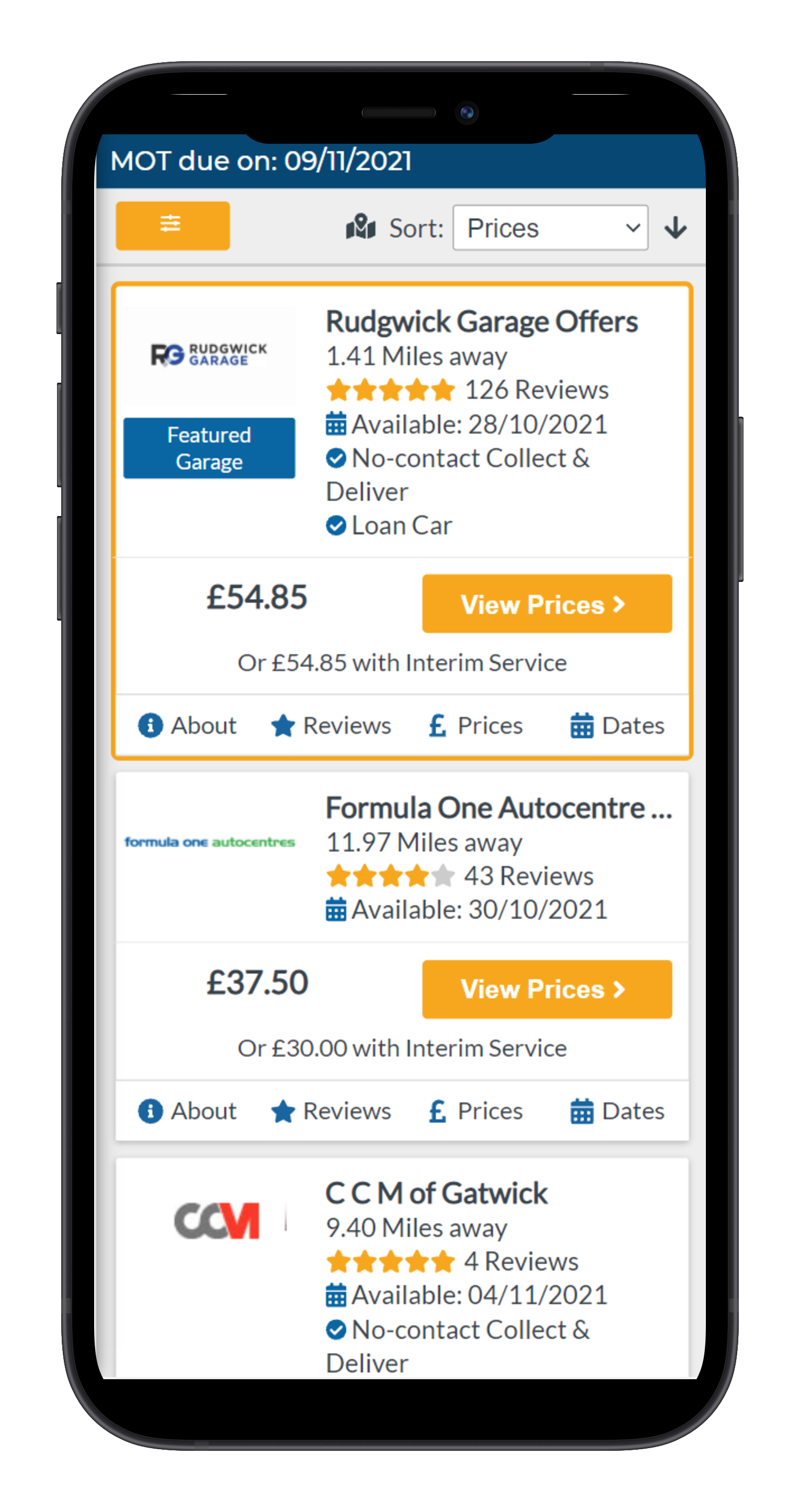
The Quote Goat Advantage: Many local garages offer prices significantly lower than the cap to stay competitive. You can often unlock even deeper discounts by booking your MOT and Service together.
Finding Your MOT Expiry Date
- New Cars: Your first MOT is due exactly three years from the date of registration.
- Annual Requirement: After three years, your vehicle must be tested every 12 months.
Can’t find your paperwork? Simply enter your reg into our tool above to pull your live DVSA records. If your test isn’t due for a while, you can set a smart reminder and we’ll email you 28 days before it expires.
How Long Does the Test Take?
A standard MOT typically takes between 45 and 60 minutes.
- MOT Only: Usually completed within the hour.
- MOT + Service: Expect your car to be at the garage for at least half a day.
- Pro Tip: Most garages perform the MOT first. This allows them to identify any “fail” items that can be corrected during the service to save you time and extra visits.
What’s Included in the MOT Checklist?
The test is comprehensive, covering everything from safety equipment to structural integrity.
| Part of Vehicle | What is Checked? |
| Body & Structure | Corrosion, sharp edges, and secure towbars. |
| Fuel & Exhaust | Leaks, pipe condition, and legal smoke/emission levels. |
| Safety Equipment | Seatbelt security, seat adjustments, and airbag warning lights. |
| Driver’s View | Mirrors, wipers, washers, and windscreen condition. |
| Lights & Electrics | All external lights, battery condition, and visible wiring. |
| Steering & Suspension | Component wear, steering oil levels, and shock absorbers. |
| Brakes & Tyres | Efficiency, ABS function, tyre tread depth (1.6mm min), and condition. |
| Identity | The VIN (Vehicle Identification Number) must be present and correct. |
What Happens if My Car Fails?
Faults are categorized as Minor, Major, or Dangerous. You can pass with Minors, but a single Major or Dangerous fault results in an automatic fail.
Common Fail Points: Many cars fail on simple things you can check yourself: blown bulbs, low tyre pressure, worn wiper blades, or even an empty screenwash bottle!
If you fail:
- Major Fault: You can drive the car away only if your current MOT certificate is still valid. You have 10 days to have the repairs done and return for a partial retest.
- Dangerous Fault: The car cannot be driven. It must be repaired on-site or towed to another garage.
- The 10-Day Rule: Most garages offer a free or discounted retest if the vehicle is brought back within 10 working days.
Find the Best MOT Price Near You
Ready to save money and stay road-legal? Enter your registration above to get an instant date check and compare live quotes from the best-rated garages in your local area.
Vehicle Maintenance Products